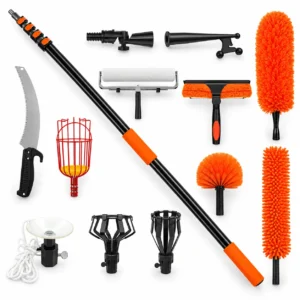
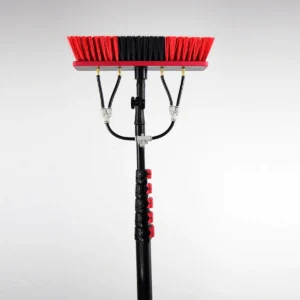
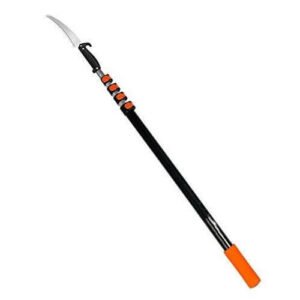
Water-fed pole suppliers in Australia vary widely on 4 verifiable points: actual extended and collapsed pole length, bare-pole versus complete-kit weight, connector thread standard, and warranty coverage period, which commonly ranges from 6 to 24 months. Before ordering, request these figures in writing for the exact model quoted, not a product-range average.
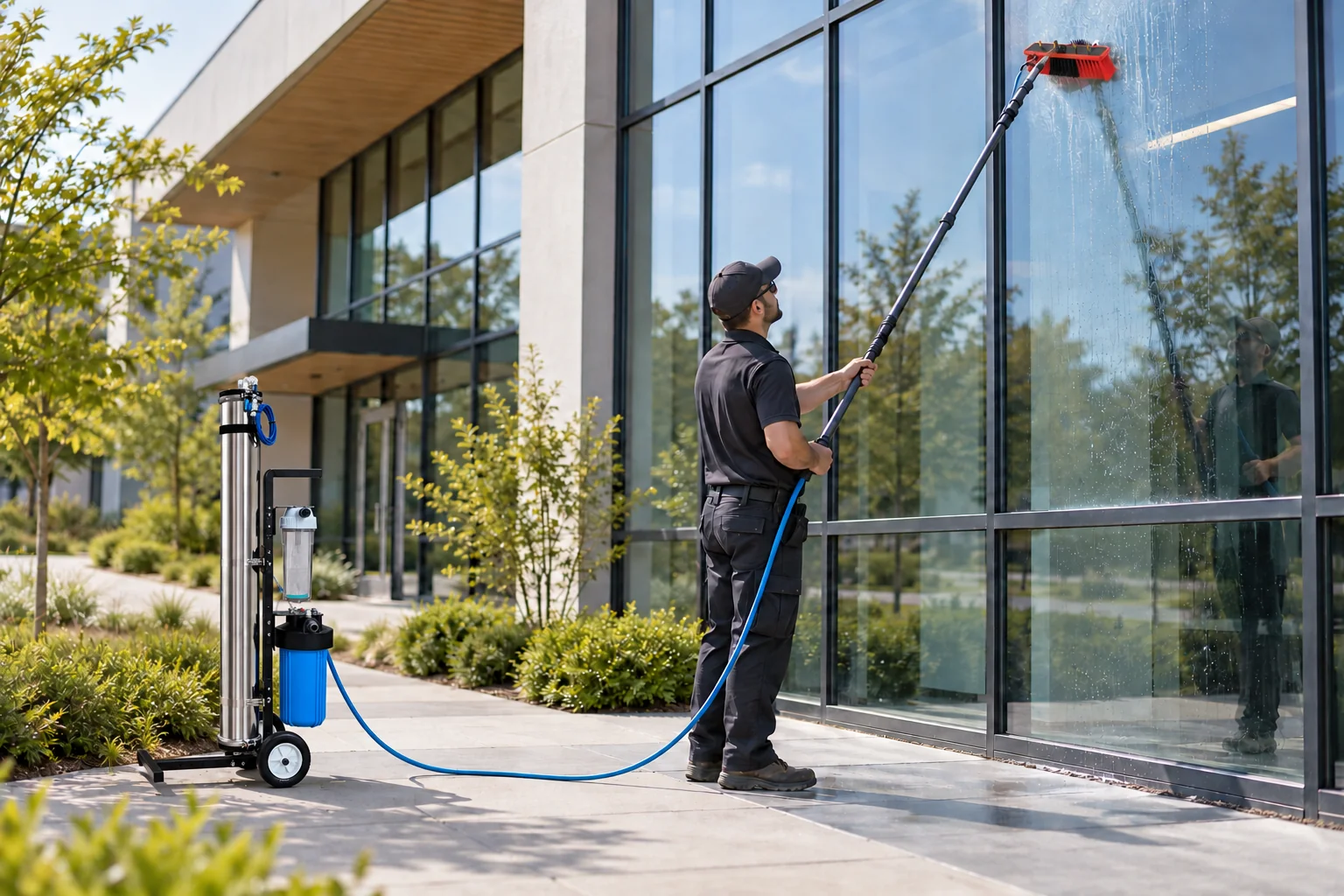
In 2026, Australian cleaning contractors and distributors comparing water-fed pole suppliers face the same recurring problem: two quotations can describe what looks like the same pole, yet ship a 15% difference in kit weight or a completely incompatible brush thread. A “12FT-30FT” label on a product page is a marketing range, not a measured specification for the exact unit you will receive.
This guide sets out the specific figures to request from any supplier — Australian or overseas — before placing an order, and explains why each one matters operationally rather than just on paper.
What pole length figures should you actually request?
Ask for three separate numbers: maximum extended length, fully collapsed length, and the measurement endpoints used (tip-to-tip versus working reach including arm extension). A supplier’s “70FT” figure commonly refers to combined pole-plus-arm reach, not the physical tube length, which can differ by 1.5–2 metres.
Collapsed length matters for transport and storage — a pole that collapses to 1.8 m fits a standard van; one collapsing to 2.4 m may not. Request this figure in writing, measured with any installed brush or adapter removed, since accessories add to the stored length.
How much does bare-pole weight differ from complete-kit weight?
A bare aluminum pole in the 12–24 ft range typically weighs between 1.8 kg and 3.5 kg depending on wall thickness and section count; a comparable carbon-fiber pole typically runs 25–40% lighter for the same length. Neither figure reflects the weight an operator actually holds during a cleaning pass.
Request the complete-kit weight: pole, brush head, and a specified length of water-filled hose (commonly quoted at 10 m). A water-filled hose alone can add 1–2 kg depending on diameter and fill state. Compare this working figure across suppliers rather than the bare-pole number alone.
Which connector thread standards does the supplier actually use?
Water-fed systems commonly use one of three thread families at the tool-attachment and water-connection interfaces: BSPP (parallel, ISO 228-1), BSPT (tapered, ISO 7-1), or NPT (tapered, ASME B1.20.1). These are not interchangeable despite similar nominal sizes — a 1/4-inch NPT fitting will not reliably seal against a 1/4-inch BSPP fitting without a rated adapter.
Ask the supplier to name the exact standard at both ends of the brush and adapter connection, not just “universal” or “quick-connect,” which describe a mechanism, not a dimensioned specification. Our connector and thread standards guide sets out the full comparison and a copyable request template.
What warranty terms should an Australian buyer confirm?
Warranty periods for water-fed poles in this market commonly range from 6 months to 2 years, with wear items (brushes, seals, hose) frequently excluded or covered for a shorter period than the pole structure itself. Confirm the exact period in months, what is excluded, and whether the claim process requires return shipping to an overseas factory — which can add 4–8 weeks to a resolution.
Ask specifically whether replacement parts (clamps, end caps, connectors) are stocked for shipment within Australia or require international freight, since this affects downtime for a multi-pole fleet.
How do carbon fiber and aluminum options compare for Australian conditions?
Australia’s building stock ranges from single-storey residential glass to multi-storey commercial façades and large solar installations, so material choice should follow the job rather than a blanket recommendation. Carbon fiber poles offer a stiffness and weight advantage that benefits frequent, extended-reach work — relevant to crews cleaning taller commercial glazing or solar arrays across a full working day. Aluminum poles remain the lower-cost option for routine, lower- and medium-reach work such as single-storey window cleaning or pool maintenance.
See our carbon fiber vs aluminum comparison guide for the full decision framework, including how to evaluate a rigidity claim rather than accept a material label at face value.
Supplier comparison checklist
Use this table when requesting quotations from multiple suppliers, so each one answers the same questions in a directly comparable format.
| Specification | What to Request | Why It Matters |
|---|---|---|
| Extended / collapsed length | Measured tip-to-tip figures, with measurement method stated | “Working reach” marketing figures can overstate physical pole length by 1.5-2 m |
| Bare-pole weight | Dry weight, no accessories attached | Baseline figure for comparing material and construction across suppliers |
| Complete-kit weight | Pole + brush + specified hose length, water-filled | Reflects the actual weight an operator holds during a cleaning pass |
| Connector thread standard | Named standard (BSPP/BSPT/NPT) at both mating ends | Mismatched threads prevent reliable sealing even if the nominal size matches |
| Warranty period and exclusions | Duration in months, wear-item exclusions, claim process location | Short or excluded coverage on wear items increases total ownership cost |
| Spare-parts availability | Local Australian stock vs. overseas freight for replacement parts | Affects downtime for a multi-pole fleet during a warranty claim |
Frequently asked questions
How long does a typical water-fed pole warranty last in Australia?
Warranty periods for water-fed poles sold into the Australian market commonly range from 6 months to 2 years for the pole structure, though wear items such as brushes, seals and hose are frequently excluded or covered for a shorter separate period. Always confirm the exact duration in months and what is excluded in writing before ordering, rather than relying on a general “warranty included” statement from the supplier.
What is the typical weight difference between a carbon fiber and aluminum water-fed pole?
A carbon-fiber pole typically weighs 25-40% less than a comparable aluminum pole at the same extended length, though the exact figure depends on wall thickness, section count and included accessories. Request bare-pole and complete-kit weights for the specific models you are comparing rather than relying on a general material-based percentage, since construction details affect the final figure.
Can a BSPP connector be used with an NPT-threaded brush or adapter?
Not directly. BSPP uses a parallel thread under ISO 228-1 while NPT uses a tapered thread under ASME B1.20.1, and the two are not interchangeable even when the nominal size matches. A purpose-made adapter rated for both standards is required, with both mating ends confirmed and documented before assembly to avoid a leaking or loose connection.
How much does a water-filled hose add to the working weight of a pole?
A water-filled hose commonly adds 1-2 kg to the complete-kit weight, depending on the hose’s inner diameter and the length quoted, which is typically 10 metres for comparison purposes. This figure is separate from the bare-pole weight, so always request the complete-kit weight with hose included when comparing the practical handling weight between different supplier quotations.
Should I request collapsed pole length even if I only care about reach?
Yes. Collapsed length determines whether the pole fits standard transport (such as a van) and storage space, independent of its extended reach. A pole collapsing to 1.8 metres fits typical commercial vehicles, while one collapsing to 2.4 metres or more may require different transport arrangements, which affects daily logistics for a cleaning crew working multiple sites.
Are spare parts for imported water-fed poles available within Australia?
This varies significantly by supplier and should be confirmed before ordering, not assumed. Some suppliers maintain local Australian stock for common wear parts like clamps, end caps and connectors, while others require freight from an overseas factory, which can add 4-8 weeks to a repair. Ask specifically about local stock for a multi-pole fleet before committing to a supplier.
Compare Water-Fed Pole Options for Your Market
Explore our 12FT-70FT carbon fiber water fed pole with brush for extended-reach work, or our 12FT-30FT aluminum water-fed pole for routine, budget-driven cleaning tasks. For a bulk or customized fleet order, see our custom water fed poles, 20FT-70FT configuration options. View our dedicated Australia market page for region-specific configuration options, add suitable products to your wishlist, or request a quotation with your required reach, application and quantity.