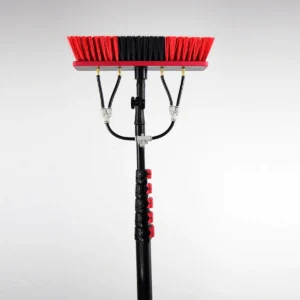
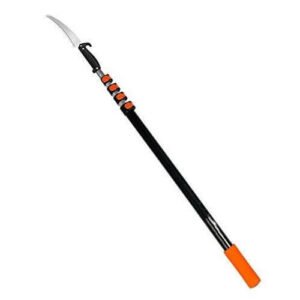
Importing cleaning equipment into the EU requires confirming CE marking scope, a Declaration of Conformity, applicable harmonized standards, and correct technical documentation before customs clearance — missing any one of these four items is the most common cause of EU import delays, which can add 2-6 weeks to a shipment.
In 2026, distributors importing water-fed poles, telescopic poles, solar cleaning systems and related equipment into the EU face a recurring compliance gap: a supplier’s invoice and packing list confirm what was shipped, but not whether the product is legally permitted to be placed on the EU market. These are separate questions, and only one of them is checked at customs.
This checklist sets out the compliance documents and markings to verify before importing cleaning equipment into the EU, and where each requirement commonly gets missed.
Does the product need CE marking to enter the EU?
Most mechanical and electrical cleaning equipment sold into the EU market requires CE marking, which indicates the manufacturer’s claim of conformity with applicable EU directives — commonly the Machinery Directive (2006/42/EC) for mechanical equipment, and the Low Voltage Directive (2014/35/EU) plus EMC Directive (2014/30/EU) for anything with an electrical power source, such as an electric panel-washing machine or a water pump.
A manually operated water-fed pole or telescopic pole with no electrical or pneumatic component may fall outside some of these directives, but this should be confirmed for the specific product rather than assumed. Ask the supplier which directives they have assessed the product against, not simply whether a CE mark is present on the product.
What should a Declaration of Conformity actually state?
A valid EU Declaration of Conformity (DoC) is a legal document, not a marketing statement. It should identify the manufacturer (name and address), describe the exact product model, list the specific directives and harmonized standards claimed, and be signed by a person with authority to bind the manufacturer. A DoC referencing a product line in general terms, without the specific model number, does not establish conformity for the unit you are importing.
Request the DoC before the shipment departs, and cross-check that the model number on the document matches the model number on the product label and your purchase order exactly.
Which harmonized standards apply to cleaning equipment?
Harmonized standards provide the technical detail behind a directive’s general requirements. For electrically powered cleaning equipment, EN 60335 (household and similar electrical appliances — safety) is commonly referenced; for machinery more broadly, EN ISO 12100 (safety of machinery — general principles) often applies. The exact standard depends on the product type and must be confirmed per product, since an incorrect standard citation on a DoC does not provide valid legal coverage.
If a product has no applicable harmonized standard, the manufacturer must still demonstrate conformity through another documented route (such as a risk assessment against the directive’s essential requirements), which should also be available on request.
What technical documentation should you request from the supplier?
Beyond the DoC itself, importers are expected to be able to produce supporting technical documentation if a market authority requests it — this typically includes a risk assessment, test reports relevant to the applicable directives, and construction drawings or a bill of materials sufficient to identify the product’s safety-relevant features. Missing documentation at this stage, rather than at the point of sale, is one of the most common causes of post-import compliance issues.
Request this documentation set at the time of order, not after a market surveillance inquiry. A supplier unable to provide any technical file for a CE-marked product is a signal to verify the marking’s basis before proceeding.
What packaging and labeling requirements apply at EU customs?
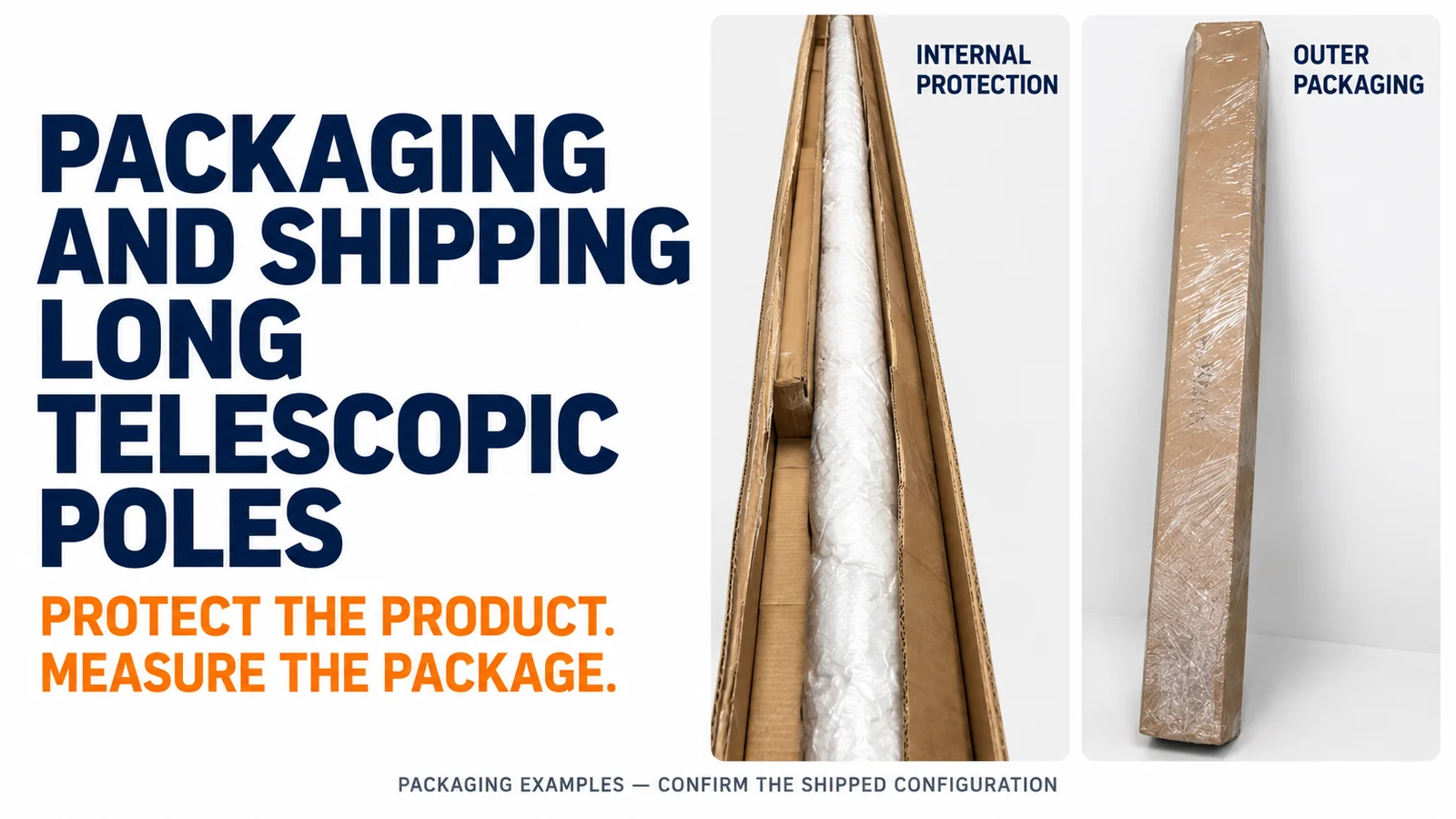
Separately from product compliance, packaging must meet the destination country’s requirements: if solid wood packaging material is used (pallets, crates), it typically needs ISPM 15 treatment and marking; other packaging materials generally fall outside this specific rule but should still meet general transport and labeling standards. Confirm this with your freight forwarder for the specific EU entry point, since enforcement and documentation checks can vary by port.
Product labeling should include the CE mark (where applicable), manufacturer identification, and any required language-specific safety information for the destination member state. See our packaging and shipping guide for what to confirm about the physical shipment before requesting a freight quotation.
How do you verify a supplier’s compliance claims before ordering?
Request the DoC, applicable standards citation, and summary technical documentation before placing a bulk order, not after goods have shipped. Cross-check the model number across the DoC, product label and invoice. For OEM or customized configurations, confirm whether a design change (such as adding an electric pump to a previously manual system) changes which directives apply — a modification can shift a product’s compliance category. Our OEM manufacturing guide explains how specification changes are documented through the sample-approval process.
EU import compliance checklist
Use this table to track the documents and confirmations needed before a shipment departs the supplier’s factory.
| Requirement | What to Confirm | Typical Risk if Missing |
|---|---|---|
| CE marking scope | Which directives (Machinery, LVD, EMC) the product has been assessed against | Mark present without a valid underlying assessment is not legally sufficient |
| Declaration of Conformity | Manufacturer details, exact model number, directives and standards cited, signature | Generic or product-line-level DoC does not cover the specific imported unit |
| Harmonized standards | Specific standard (e.g. EN 60335, EN ISO 12100) matched to the product type | Incorrect standard citation provides no valid legal coverage |
| Technical documentation | Risk assessment, test reports, construction drawings available on request | Missing documentation can delay resolution of a market surveillance inquiry by weeks |
| Packaging compliance | ISPM 15 treatment and marking if solid wood packaging is used | Non-compliant wood packaging can be held or rejected at the port of entry |
| Model number consistency | Same model number on DoC, product label and purchase order | Mismatched model numbers raise questions during customs or market inspection |
Frequently asked questions
Does a manually operated water-fed pole need CE marking to enter the EU?
This depends on the specific product and should be confirmed rather than assumed. A purely manual pole with no electrical or pneumatic component may fall outside the Low Voltage and EMC Directives, but could still be assessed under the Machinery Directive depending on its construction. Ask the supplier which directives they have specifically evaluated the exact model against, rather than relying on a general CE mark alone.
What is the difference between a Declaration of Conformity and a CE mark?
The CE mark is a physical or printed symbol on the product indicating a conformity claim, while the Declaration of Conformity is the underlying legal document stating which directives and standards the manufacturer claims compliance with, for a specific model. A CE mark without a corresponding, model-specific Declaration of Conformity does not provide valid legal coverage for that exact product.
How long can missing compliance documentation delay an EU import?
Typical delays range from 2 to 6 weeks when documentation must be requested, corrected or re-issued after a shipment has already departed or arrived. This range varies by the EU member state, port workload and how quickly the supplier can produce a corrected Declaration of Conformity or missing technical file, so requesting documents before departure avoids this risk entirely.
Does adding an electric pump to a water-fed pole system change its compliance requirements?
Yes, typically. Adding an electrical component such as a pump introduces the Low Voltage Directive and EMC Directive alongside any applicable Machinery Directive requirements, which a purely manual system may not have needed. Confirm with the supplier whether this kind of OEM modification has been assessed and documented separately from the base manual product.
Is ISPM 15 treatment required for all cleaning equipment packaging?
No. ISPM 15 treatment and marking applies specifically to solid wood packaging material, such as pallets and crates. Cartons, foam inserts and plastic dunnage generally fall outside this requirement, but the specific packaging materials used for your shipment should be confirmed with your freight forwarder for the destination EU port, since enforcement details can vary.
Who is responsible for EU compliance documentation, the supplier or the importer?
Legal responsibility can fall on the importer in some circumstances, particularly if the importer is considered the entity placing the product on the EU market for the first time. This makes it important for the importer to request and retain the Declaration of Conformity and technical documentation directly, rather than relying solely on the overseas manufacturer’s internal records during a market surveillance inquiry.
Compare Cleaning Equipment Options for Your Market
Explore our 12FT-70FT carbon fiber water fed pole with brush, our 710mm dual-brush solar panel washing machine, or our RO/DI pure water purification system for a complete cleaning configuration. Request compliance documentation alongside your quotation — request a quote with your required configuration and destination market.